
For most U.S. senders, the quickest and cheapest route is a regulated digital remittance app (IMTO) that deposits directly to a Nigerian bank account or mobile wallet. Before you confirm any transfer, run a live all-in comparison on Idealremit to see exactly how many naira your recipient will receive after fees and exchange-rate markup.
Quick shortlist:
- Idealremit - compare live all-in costs across providers before sending; set rate alerts for USD→NGN
- IMTO apps (Remitly, Wise, WorldRemit) - best for regular bank-deposit or mobile-wallet transfers
- Cash-pickup networks (Western Union, MoneyGram) - best when the recipient needs physical cash
- U.S. bank wire - best for large amounts going to a Nigerian domiciliary (USD-holding) account
Pro Tip: Always check the "recipient receives" field, not just the headline fee. Two providers charging the same flat fee can deliver very different naira amounts depending on their exchange-rate margin.
Key Takeaways
The cheapest way to send money to Nigeria from the USA is a regulated IMTO app funded by ACH bank transfer, compared on a live aggregator like Idealremit before you send.
| Point | Details |
|---|---|
| Check "recipient gets" first | Compare total naira delivered, not headline fees, to find the real cheapest option. |
| ACH funding saves money | Bank debit is the lowest-cost payment method; debit card is faster but more expensive. |
| Mobile wallet for instant small transfers | OPay, PalmPay, and Kuda deliveries are often instant and work for unbanked recipients. |
| Bank wire for domiciliary accounts | Use a U.S. bank wire when the recipient needs to hold USD, not convert to naira. |
| Use Idealremit to compare live | Idealremit aggregates real-time rates and lets you set alerts for the USD→NGN corridor. |
An editorial note on how this shortlist was built
The providers in this guide were selected based on three criteria: regulatory standing as licensed money transmitters, availability to U.S. senders for the Nigeria corridor, and user experience signals drawn from Trustpilot review pages. Idealremit appears first because it serves a different function than the others - it's a comparison tool, not a transfer service, and using it before you pick a provider is the single most reliable way to avoid overpaying on rate margin.
One limitation worth naming: the USD/NGN rate moves fast. Nigeria's FX environment has seen significant volatility, and the spread between the mid-market rate and what any provider offers can shift within hours. The "recipient gets" figure you see today may differ from what you see tomorrow. Set a rate alert on Idealremit and check again before you send, especially for larger amounts.
For senders who need recipients to hold USD, IMTOs are generally not the right tool. Bank wires or providers that explicitly support domiciliary account deposits are the correct choice in that case.
Table of Contents
- How to send money to Nigeria from the USA: top providers compared
- Step-by-step: exactly how to complete a USA-to-Nigeria transfer
- Idealremit makes the comparison easy
- Sources
- FAQ
How to send money to Nigeria from the USA: top providers compared
Five practical methods cover this corridor well: specialist IMTO apps, U.S. bank wires, cash-pickup networks, mobile-wallet delivery, and hybrid dollar-account platforms. The table below maps each featured provider to the dimension that matters most for your situation.
| Provider | Best for | Fees & rate markup | Transfer speed | Payout options (Nigeria) | Sender payment methods | Transfer limits | Recipient convenience |
|---|---|---|---|---|---|---|---|
| Idealremit | Comparing live all-in costs before sending | Aggregates all providers; shows mid-market benchmark | Real-time comparison | All types via linked providers | All types via linked providers | Varies by provider | High - pick the cheapest option |
| Western Union | Cash pickup at agent locations | Visible flat fee + rate spread | Minutes (cash pickup) | Cash pickup, bank deposit | Debit/credit card, bank transfer | Varies by method | Very high for cash recipients |
| MoneyGram | Agent-based cash pickup or broad coverage | Flat fee + rate spread | Minutes to hours | Cash pickup, bank deposit, digital | Debit/credit card, bank transfer, online | Varies by method | High; large agent network |
| Remitly | Speed-sensitive senders (express vs. economy) | Economy: lower fee + tighter spread; Express: higher fee | Seconds to minutes (express); hours to 1 day (economy) | Bank deposit, mobile wallet, cash pickup | Debit/credit card, bank transfer | Up to $10,000+ (verified) | High; multiple payout types |
| Wise | Mid-to-large transfers where rate margin matters | Low spread near mid-market; small flat fee | Often same-day or under 20 seconds (balance/bank funded) | Bank deposit | Bank transfer, debit card, Wise balance | Up to $1,000,000 (verified) | Moderate; bank deposit only |
| WorldRemit | Flexible payout including mobile money | Flat fee + rate spread | Minutes to 1 day | Bank deposit, cash pickup, mobile wallet | Debit/credit card, bank transfer | Varies by method | High; mobile wallet option |
A few quick reads of that table:
- Wise is the strongest pick for larger transfers where a tighter exchange-rate margin translates to real naira savings. Funding from a bank transfer or Wise balance keeps costs lowest, per Wise's own corridor documentation.
- Remitly's express option is worth the premium when urgency matters. Economy mode cuts costs significantly for non-urgent transfers.
- Western Union and MoneyGram remain the go-to options when your recipient needs cash in hand. MoneyGram's agent network and payout options cover most Nigerian cities.
- WorldRemit stands out when the recipient uses OPay, PalmPay, or Kuda - mobile-wallet deliveries are often instant for small amounts, and they're useful when the recipient doesn't have a traditional bank account.
- Idealremit isn't a transfer service itself. It aggregates live rates from these providers so you can sort by "recipient gets" and pick the best deal for your specific amount and payout type.
One thing most senders miss: IMTOs often charge zero flat fees but embed a spread in the exchange rate, while others charge a visible flat fee with a tighter rate margin. The only honest comparison is total naira delivered.
Also worth knowing before you pick a payout type: confirm whether your recipient wants USD in a domiciliary account or naira in a regular account. That single question changes which provider and payout type is correct. IMTOs typically convert to NGN at the point of transfer; if the recipient needs to hold dollars, a bank wire to a domiciliary account is the right route.
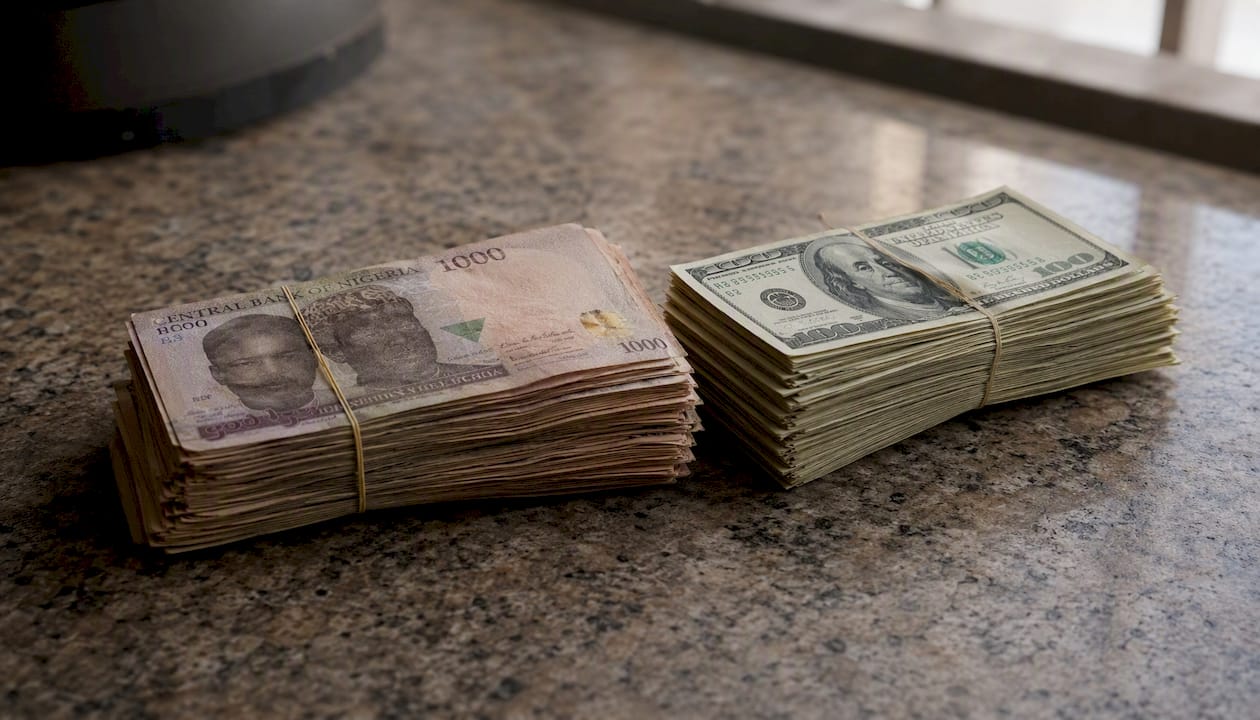
Pro Tip: Use Trustpilot review pages to check recent user reports on delivery speed and customer service before committing to a new provider. Treat them as a UX signal, not a definitive ranking.
Step-by-step: exactly how to complete a USA-to-Nigeria transfer
What to gather before you start
First-time verification can take minutes to 24 hours on some apps, so have everything ready before you begin:
- Your ID: a government-issued photo ID (passport or driver's license). Some platforms also ask for your SSN or ITIN for compliance.
- Recipient's full legal name (must match their bank account exactly - a name mismatch is the most common cause of failed transfers)
- 10-digit Nigerian account number and bank name for bank deposits; mobile phone number for wallet delivery; SWIFT/BIC code for domiciliary account wires
- BVN (Bank Verification Number): some Nigerian banks require it for inbound transfers above certain thresholds
How to calculate the real cost
Don't compare headline fees. Pull the mid-market USD/NGN rate from Google or a live currency feed, then check what rate the provider is offering. The gap between those two numbers is the effective markup. Add any flat fee on top, and you have the true all-in cost. Run this on Idealremit's live comparison tool to do it in seconds across multiple providers at once.
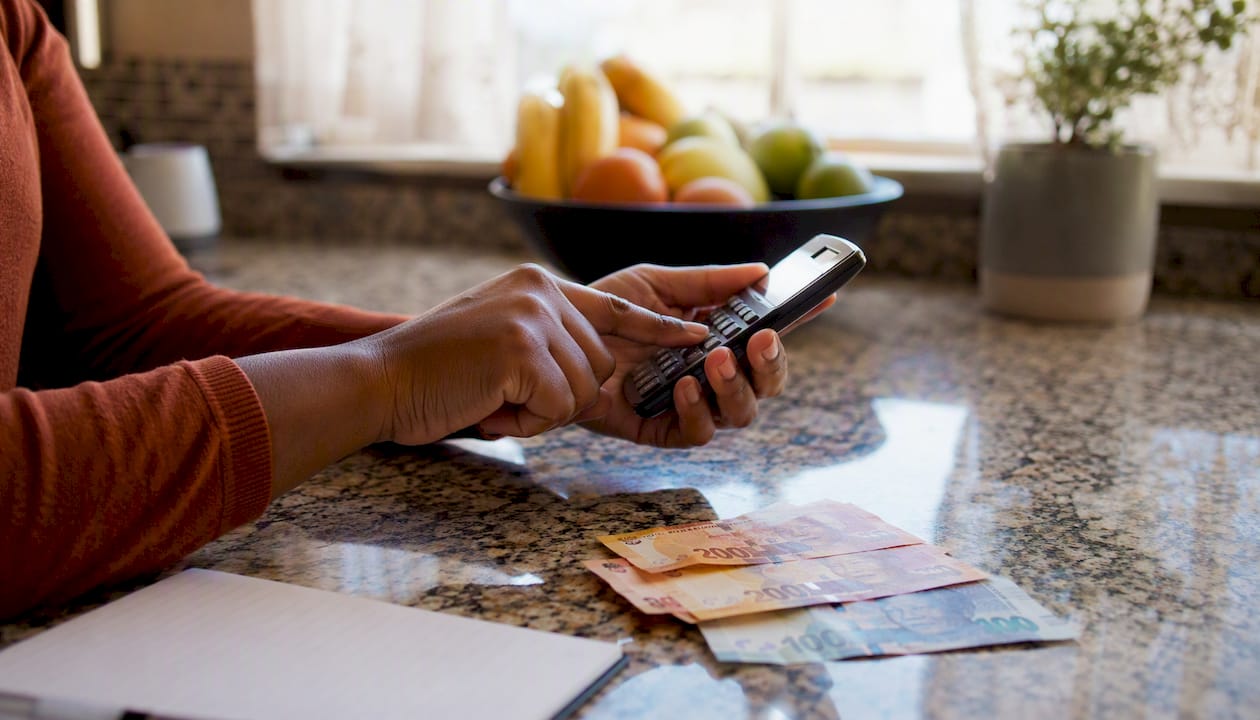
Funding method tradeoffs
ACH bank debit is the cheapest funding method but takes 1-3 business days to clear. Debit card is faster but costs more. Credit card is the most expensive option and may trigger a cash-advance fee from your card issuer. Bank wire is worth the higher fixed fee only when you're sending a large amount to a domiciliary account. For alternatives to traditional bank wires, the Idealremit blog on bank transfer alternatives covers the tradeoffs clearly.
The transfer flow
- Choose your provider - use Idealremit to compare live all-in costs for your specific amount and payout type.
- Create an account and complete KYC - upload your ID; first-time verification can take up to 24 hours.
- Select payout type - NGN bank deposit, USD domiciliary wire, mobile wallet (OPay/PalmPay/Kuda), or cash pickup.
- Enter recipient details - full legal name, account number or phone, bank name. Double-check every digit.
- Choose your payment method - ACH for cost savings, debit card for speed, bank wire for large domiciliary transfers.
- Review the all-in cost - confirm the "recipient receives" amount in naira before hitting send.
- Send and save your reference number - you'll need it if anything needs to be traced.
- Confirm receipt - ask your recipient to confirm the funds arrived before you close the app.
Typical timing: mobile wallet deliveries are often instant; IMTO bank deposits run minutes to one business day; bank wires take 1-3 business days; cash pickup is usually available within minutes once the agent confirms.
Red flags to watch for
- Any rate significantly better than the mid-market rate - it may imply parallel-market sourcing, which carries regulatory risk
- Unlicensed operators not registered as money transmitters with FinCEN or state regulators
- Requests to pay via wire transfer to an individual rather than a licensed platform
- Pressure to send quickly without time to verify recipient details
Pro Tip: Test any new provider with a $10-$50 transfer first. Save every transaction reference number. If a transfer stalls, that reference is what customer support needs to trace it.
Idealremit makes the comparison easy
Sending money to Nigeria means choosing between providers with different fee structures, rate margins, and payout options. Idealremit cuts through that by aggregating live rates from Western Union, MoneyGram, Remitly, Wise, WorldRemit, and others in one place, so you see exactly how many naira your recipient will get before you commit.

Run a USD→NGN comparison on Idealremit, toggle between bank deposit, mobile wallet, and cash pickup, and sort by "recipient gets." You can also set a rate alert so you're notified when the USD/NGN rate hits your target. Idealremit may earn a referral fee when you click through to a provider, but the comparison itself shows the mid-market benchmark alongside each provider's offered rate, so you always know the real spread. Compare live rates now and send with confidence.
Sources
- The Complete Guide to Sending Money from the USA to Nigeria (2026)
- How to Send Money to Nigeria in 2026: Step-by-Step - Firstcard
- Trustpilot
Live rates for this guide were compared using Idealremit's aggregation tool across the USD→NGN corridor. Provider pages for Wise, MoneyGram, Remitly, Western Union, and WorldRemit were reviewed for payout options and stated fee structures.
FAQ
Can I use Zelle to send money to Nigeria?
No. Zelle only works between U.S. bank accounts and does not support international transfers. Use a licensed IMTO app like Remitly, Wise, or WorldRemit for Nigeria.
What's the best way to send money to Nigeria from the USA?
For most senders, a regulated IMTO app funded by ACH bank transfer delivers the best combination of cost and speed. Compare live all-in naira amounts on Idealremit before choosing a provider.
How much is $100 in Nigerian naira?
The USD/NGN rate fluctuates, so the naira amount changes daily. Check the current mid-market rate on Google or Idealremit's live comparison tool for an accurate figure before you send.
Which Nigerian bank has a branch in the U.S.?
Zenith Bank operates a representative office in the U.S. However, most Nigerian banks do not have full retail branches in the United States. For most transfers, using a licensed IMTO app is more practical than routing through a Nigerian bank's U.S. presence.
Do I need to report or pay taxes on money sent to Nigeria?
Inbound personal remittances to Nigeria are generally not taxed by Nigerian authorities, and the Central Bank of Nigeria encourages formal inflows. On the U.S. side, gifts above the annual IRS exclusion threshold may require a gift tax return, though no tax is typically owed below the lifetime exemption. Confirm current thresholds with a tax professional for large transfers.