Stop Losing $10+ on a $200 Transfer to Morocco from the USA
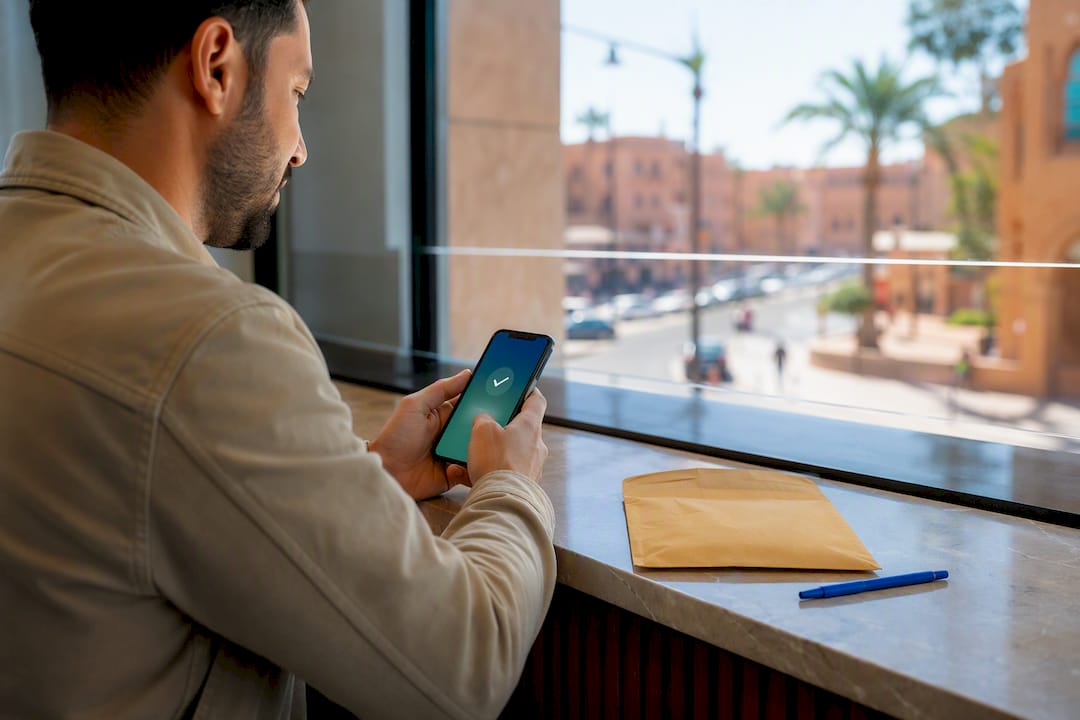
For most senders, the cheapest and fastest way to send money to Morocco from the USA is a specialist online remittance service funded by bank debit, with a card-funded option when speed matters more than cost. Before you pick a provider, run your exact amount through a comparison tool such as Ideal Remit to check the real “receiver gets” total in dirhams, not just the advertised fee.
TL;DR:
- Using a bank debit (ACH) is the cheapest option for routine small amounts, but it typically takes one to three days to complete.
- Card-funded transfers deliver the money in minutes but incur higher fees, making them ideal for urgent needs.
- Cash pickups are fast and suitable for recipients without bank accounts but require confirming agent locations beforehand.
- When comparing providers, focus on the final receiver amount in dirhams, not just the advertised fee or exchange rate spread.
- Verifying recipient details and choosing reputable providers with tracking numbers and proper licensing reduce delays and fraud risks.
Table of Contents
- How to Send Money to Morocco From the USA: Quick Action Checklist
- Which Transfer Method Is Cheapest and Fastest to Morocco?
- How Do I Pick the Cheapest, Safest Way to Send Money?
- Step-by-Step: How to Send Money From the USA to Morocco
- How Fees and Exchange Rates Affect What Your Recipient Gets
- What Does Your Recipient in Morocco Need to Get the Money?
- Staying Safe: Red Flags and Smart Habits When Sending Money Abroad
- Why Comparing Rates Actually Changes What Your Family Gets
- Compare Live USD to MAD Rates Before You Send
- Sources
- FAQ
How to Send Money to Morocco From the USA: Quick Action Checklist
Your best route depends on one thing: what matters more, the total cost or how fast the dirhams land. Here’s how to match your situation to the right method without spending an hour comparing every provider’s homepage.
- Sending a small, routine amount and cost matters most: Fund the transfer with a bank debit (ACH) instead of a card. It’s usually the cheapest funding method, even though it takes a bit longer to clear.
- Recipient needs the money today: Pay with a debit or credit card. You’ll pay more in fees, but many corridors to Morocco settle in minutes with card funding.
- Recipient doesn’t have a bank account: Choose a method with cash pickup through an agent network in their city, and confirm the agent location before you send.
Two rules of thumb cut through most of the confusion. First, ignore the headline fee and look only at the “receiver gets” figure in Moroccan dirhams. A $0 fee with a bad exchange rate can cost more than a $4 fee with a fair rate. Second, remember that your payment method changes your speed: card payments typically move faster than ACH or bank debit transfers, which trade a day or two of waiting for a lower cost.
Once you know your priority, gather your recipient’s exact details, pull live quotes on a rate comparison tool, and send. The whole process, from opening an app to confirming the transfer, usually takes under ten minutes once you have the recipient’s information on hand.
Which Transfer Method Is Cheapest and Fastest to Morocco?
Every transfer to Morocco falls into one of five broad categories, and each behaves differently on cost, speed, and how your recipient actually gets paid. A bank-to-bank transfer moves money directly between accounts and tends to carry the lowest fees, but it’s also the slowest, often landing within one to three business days. Specialist online remittance apps sit in the middle: fast, usually cheap when funded by bank debit, and built specifically for corridors like the US to Morocco. Cash pickup transfers exist mainly for recipients without a bank account, relying on agent networks that remain common across Morocco. Card-funded express transfers cost more but often clear the fastest. Mobile wallet transfers are growing but still less universal in Morocco than bank deposit or cash pickup.
| Method | Typical Cost Shape | Speed | Payout Options in Morocco | Funding From USA | Limits / KYC Friction |
|---|---|---|---|---|---|
| Bank-to-bank transfer | Low flat fee, moderate FX margin | 1 to 3 business days | Bank deposit only | Bank account (ACH) | Full ID verification, account details required |
| Specialist online remittance | Low fee with bank debit, moderate with card | Minutes to 1 business day | Bank deposit, cash pickup, mobile wallet | ACH, debit/credit card | Moderate; larger amounts may need ID upload |
| Cash pickup transfer | Moderate flat fee | Minutes to hours | Cash pickup at agent | Card, ACH, in-person cash | ID required at pickup; strict name-matching |
| Card-funded express | Higher fee, tighter FX margin | Minutes | Bank deposit, cash pickup | Debit/credit card | Fast but capped for first-time senders |
| Mobile wallet transfer | Low to moderate fee | Minutes to hours | Mobile wallet (where available) | Card, ACH | Recipient must have compatible wallet app |
KYC friction shows up most often on your first transfer or once you cross a certain amount, usually requiring a photo ID and sometimes proof of the funding source. First-time senders sending larger amounts should expect a short verification step regardless of method.
How Do I Pick the Cheapest, Safest Way to Send Money?
Run through this checklist before you commit to any provider or route:
- Compare the fee AND the FX margin. A transfer fee is only half the cost. The exchange rate markup, the spread between the mid-market rate and what you’re offered, often matters more on larger transfers. Always compare the final “receiver gets” number in dirhams, not the fee alone.
- Confirm payout availability in your recipient’s city. Not every provider’s agent network reaches every Moroccan town. Check pickup locations before you send if your recipient will collect cash.
- Weigh speed against cost honestly. If you don’t need the money there today, bank debit funding almost always beats card funding on price.
- Check for a tracking number. A real confirmation number and delivery status page are non-negotiable. If a provider doesn’t offer one, that’s a red flag on its own.
- Verify licensing. Legitimate U.S. money transmitters register with state and federal regulators, and you can check their registration status on NMLS Consumer Access before trusting them with your money.
- Look for active customer support. A working phone line or live chat matters more than it seems until your transfer is delayed and you need answers fast.
Pro Tip: Run the same transfer amount through both a bank deposit option and a cash pickup option on a comparison tool. Some providers price these payout types differently, so the cheaper method can flip depending on how your recipient wants to collect the funds.
For a deeper look at how different provider types stack up on cost, this list of low-cost transfer providers breaks down the trade-offs by provider category.
Step-by-Step: How to Send Money From the USA to Morocco
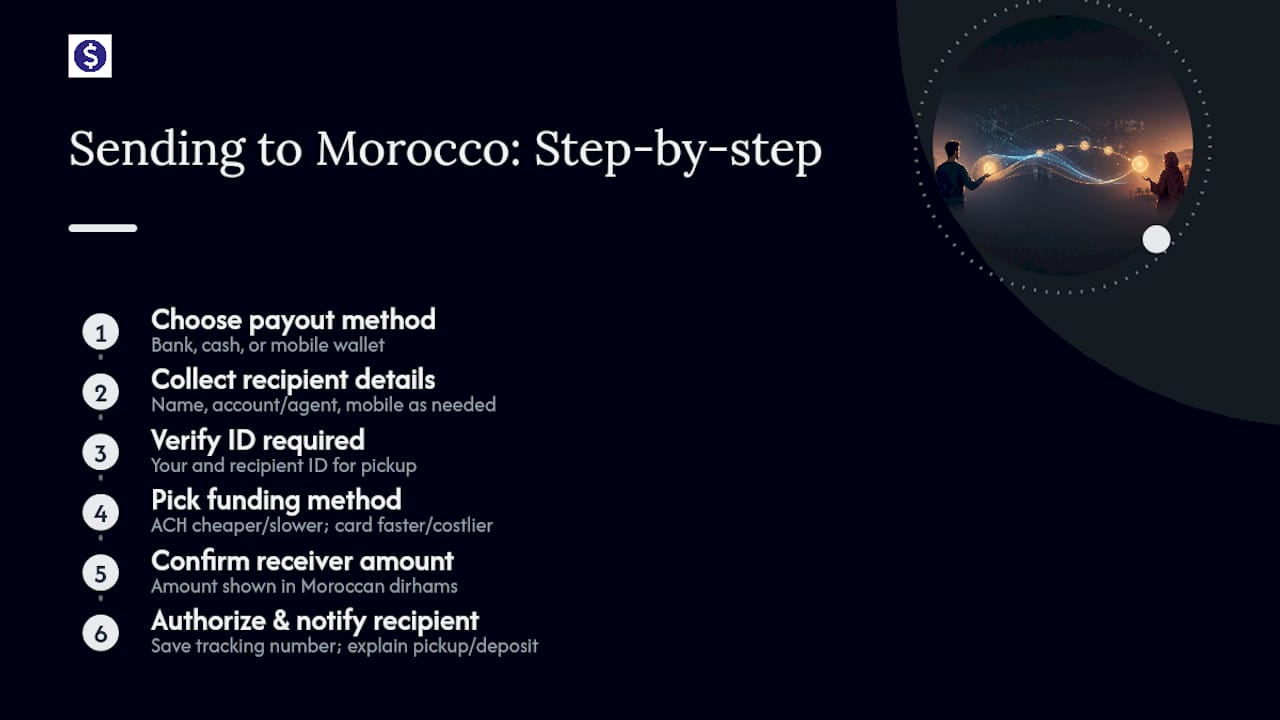
1. Choose your payout method first. Decide whether your recipient wants a bank deposit, cash pickup, or mobile wallet credit. This choice affects which providers are even available to you.
2. Collect the recipient’s exact details. For a bank deposit, get their full legal name as it appears on their ID, the account number, and the bank’s name and branch. For cash pickup, confirm the closest agent location and the recipient’s mobile number.
3. Verify what ID you’ll need. Most providers require your government-issued ID for setup and may ask your recipient for theirs at pickup. Have this ready before you start.
4. Pick your funding method based on priority. Bank debit (ACH) costs less but takes longer to clear. A debit or credit card costs more but often lands in minutes.
5. Confirm the “receiver gets” amount before authorizing. Every reputable provider shows this number in dirhams before you hit send. If it isn’t visible, that’s worth pausing over.
6. Authorize the transfer and save your tracking number. This confirmation number lets you and your recipient check status independently.
7. Tell your recipient how to collect the funds. For cash pickup, they’ll need their ID and the tracking number. For bank deposit, funds typically post automatically once the transfer clears.
If a transfer gets flagged or delayed, it’s usually a name mismatch between the ID and the account, or a hold triggered by sending a larger-than-usual amount for the first time.
How Fees and Exchange Rates Affect What Your Recipient Gets
Every transfer to Morocco carries two separate costs, and most providers only advertise one of them clearly: a visible transfer fee, and a less visible exchange rate margin baked into the USD to MAD conversion. Both reduce what actually lands in your recipient’s account.
Here’s how that plays out in practice. Say you send $300 to Morocco. The “free” option actually costs more.
On transfers above a few hundred dollars, the exchange rate margin usually matters more than the flat fee, since a small percentage difference compounds fast on a larger principal.
A few tactics consistently reduce your total cost:
- Fund by bank debit instead of card whenever speed isn’t urgent; it’s almost always cheaper.
- Consolidate smaller transfers into fewer, larger ones where possible, since flat fees don’t scale with amount but FX margin does.
- Set a rate alert on a comparison platform so you send when the dirham rate favors you rather than whenever you happen to remember.
- Always compare the final receiver-gets total, not the advertised fee alone, across at least two or three providers before committing.
For more on comparing rates across apps and finding promo codes, see this guide on comparing money transfer rates.
What Does Your Recipient in Morocco Need to Get the Money?
Getting the recipient’s details exactly right is the single biggest factor in avoiding delays. Mismatched names or incomplete bank details are the most common reason a transfer gets held.
- For bank deposit: the recipient’s full legal name exactly as it appears on their ID, their account number, and the receiving bank’s full name and branch if requested.
- For cash pickup: the correct agent or branch name in the recipient’s city, since agent networks and cash pickup remain widely used across Morocco, especially for recipients without a bank account.
- ID at pickup: your recipient will need to present a government-issued ID that matches the name on the transfer exactly. Nicknames or shortened names on the transfer form are a common cause of rejected pickups.
- Sending limits: first-time transfers often carry lower caps until you complete identity verification. Sending a larger amount than usual, even from an existing account, can also trigger a manual review.
If your recipient doesn’t have a bank account, confirm the cash pickup option is genuinely available in their town before you send. Coverage varies by provider and by region.
Staying Safe: Red Flags and Smart Habits When Sending Money Abroad
Never send money to someone you haven’t personally verified, especially if you only know them online. Romance and job scams involving a “friend in Morocco” who suddenly needs cash are common enough that reputable providers now flag suspicious first-time transfers automatically.
Stick to providers that give you a real tracking number and a delivery confirmation you can check independently. Tracking and status notifications exist specifically to reduce fraud risk for both sender and recipient, and their absence is one of the clearest signs to walk away from a provider.
Pro Tip: If your recipient lives in a city with several agent locations, like Casablanca or Rabat, pick the one closest to them and confirm its operating hours before you send. Nothing wastes a same-day transfer faster than arriving at a shuttered agent.
For broader safety habits specific to African money corridors, this guide on sending money to Africa safely and cheaply covers additional precautions worth knowing.
Why Comparing Rates Actually Changes What Your Family Gets
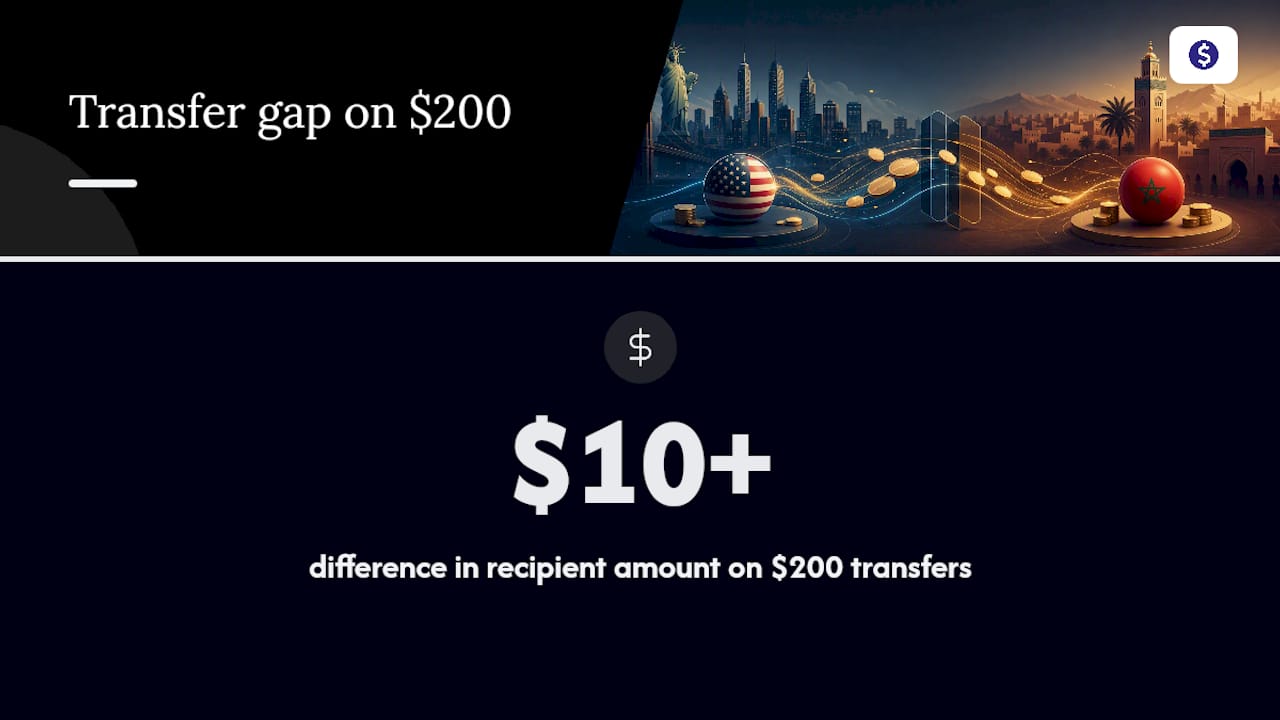
Most people pick a money transfer provider the way they pick a gas station: whichever one they remember. That habit costs real money on a USD to MAD transfer, because the gap between providers isn’t marginal. Two providers quoting the same $200 transfer can differ by $10 or more once you account for both fee and FX margin, and that gap widens as the amount grows.
The fix isn’t complicated. Before every transfer, run the amount through a comparison tool and look only at the receiver-gets total in dirhams. Setting a rate alert takes it further, letting you send when the dollar happens to be buying more dirhams rather than whenever you remember to log in. Neither habit requires switching providers constantly. It just means checking before you commit, every time, even if you think you already know the best option.
For country-specific breakdowns like this one, Ideal Remit’s blog covers corridor-by-corridor cost comparisons worth bookmarking.
— Brahim
Compare Live USD to MAD Rates Before You Send
You can use platforms that show a side-by-side look at what your recipient actually receives after fees and exchange margin, across multiple providers at once, before you commit a single dollar.
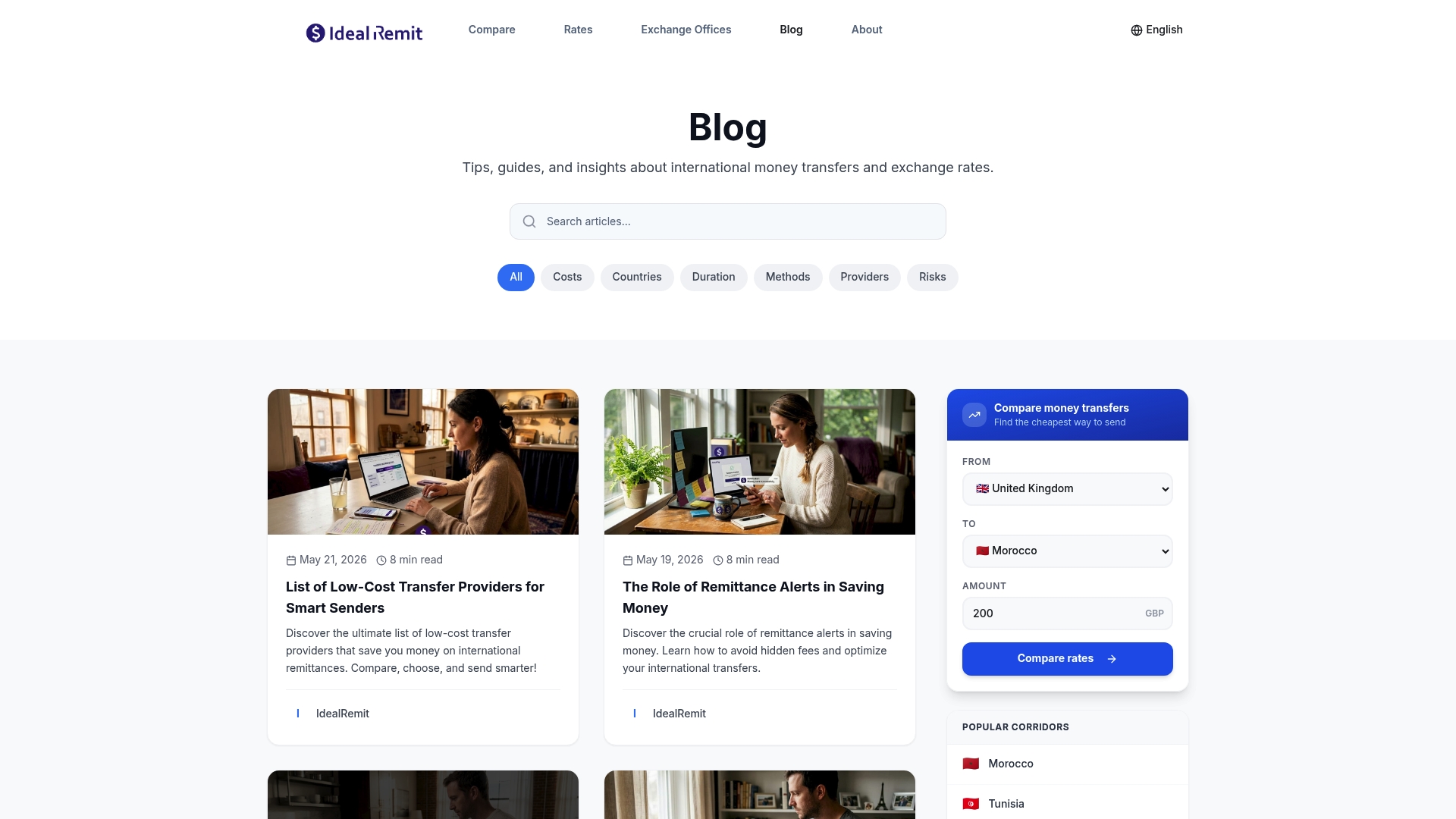
The platform pulls live quotes for your exact transfer amount and payout method, whether that’s bank deposit, cash pickup, or mobile wallet, and shows the receiver-gets total in dirhams instead of burying the real cost in fine print. You can also set a rate alert to be notified when the dollar to dirham rate moves in your favor, instead of guessing whether today is a good day to send. Enter your amount once, compare the results, and pick the route that actually keeps more money in your recipient’s pocket. Head to Idealremit’s comparison tool to check today’s USD to MAD rates before your next transfer.
Sources
FAQ
Does Zelle work in Morocco?
No. Zelle only supports transfers between US bank accounts and does not process international transfers, including to Morocco.
Can I use Venmo to send money to someone in Morocco?
No. Venmo is limited to US-based recipients with US bank accounts, so it cannot be used to send money to Morocco.
What’s the best app to send money to Morocco?
The right choice depends on your priority. A specialist remittance app funded by bank debit is typically cheapest, while card funding is faster; comparing live quotes on a tool like Ideal Remit shows which specific provider gives the best receiver-gets total for your amount.
How much is $100 US in Morocco today?
The exact dirham amount changes daily with the exchange rate and varies by provider due to differing FX margins, so check a live rate comparison at the time you send rather than relying on a fixed figure.
How long does it take to send money to Morocco from the USA?
Transfers can arrive in minutes or take up to three business days, depending on your payment method and payout choice. Card-funded transfers tend to move fastest, while bank debit transfers are cheaper but slower.