Blog
Tips, guides, and insights about international money transfers and exchange rates.

Stop Weeks of Delay: Source of Funds Checks for Remitters
Compliance guide to source of funds checks: when banks escalate, what regulators require, and a remittance checklist to avoid delays.

$442B Lost in 2025: How Expats Can Avoid Remittance Scams
Expats and immigrants: pause and verify before you send money to block remittance scams. Short checklists, recovery steps, and provider checks before you send.
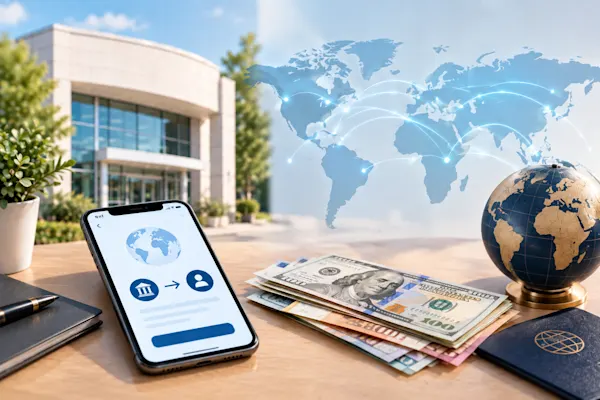
Capital One Handles International Money Transfers: Fees, Limits & Alternatives (2026)
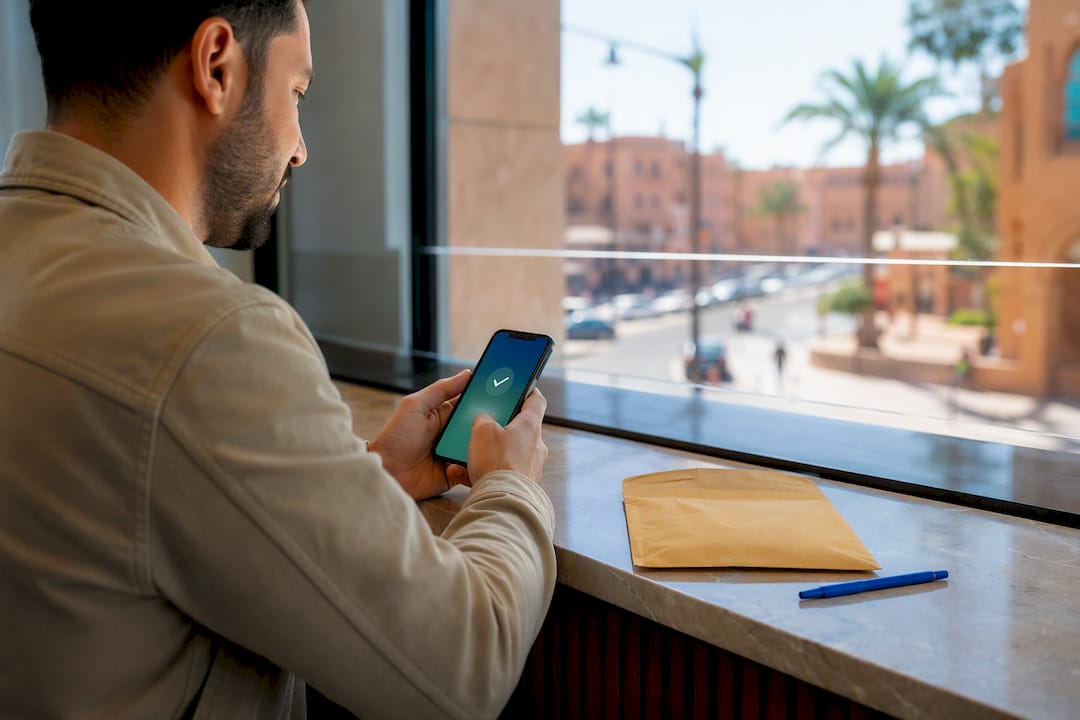
Stop Losing $10+ on a $200 Transfer to Morocco from the USA
U.S. senders: avoid costly markups when sending money to Morocco. Learn which funding and payout choices keep the most dirhams and why to compare live rates.

See Delivered KES Before You Send to Kenya From the U.S.
U.S. senders: compare live delivered KES quotes before you send. Prefer M-PESA payouts, avoid hidden exchange margins, and set rate alerts.
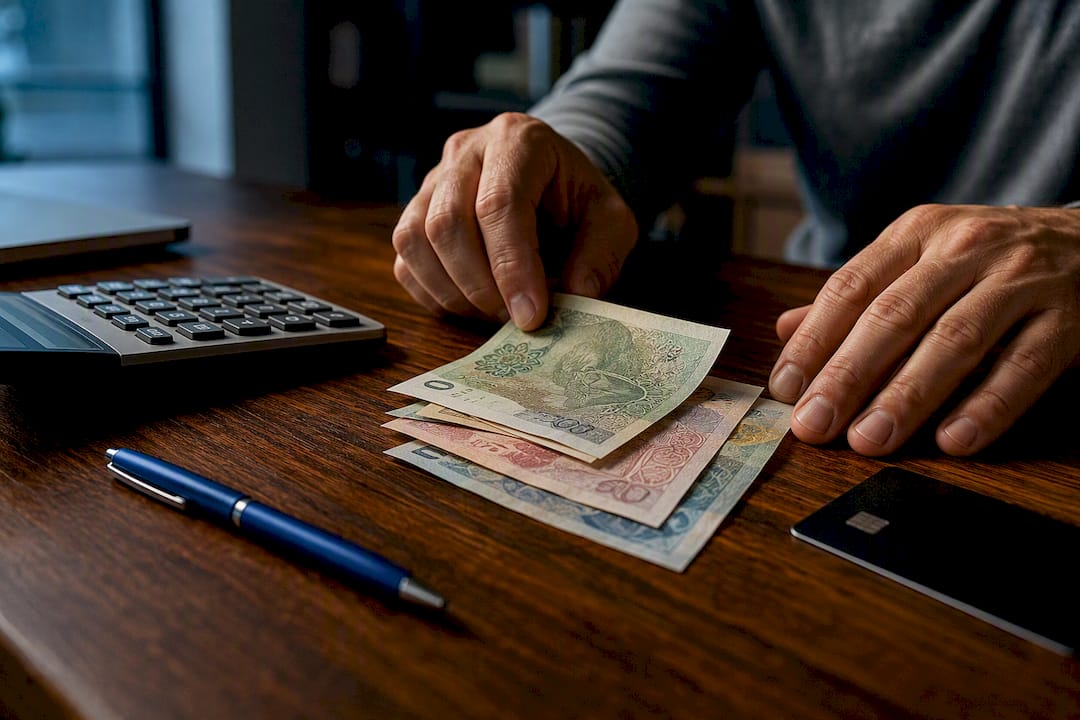
Calculate PayPal International Fees From the US: Landed Cost
Calculate the true landed cost of sending money from the US with PayPal: the 5% personal fee (capped $0.99-$4.99), a typical 3-4% FX markup, and four ways to pay less.
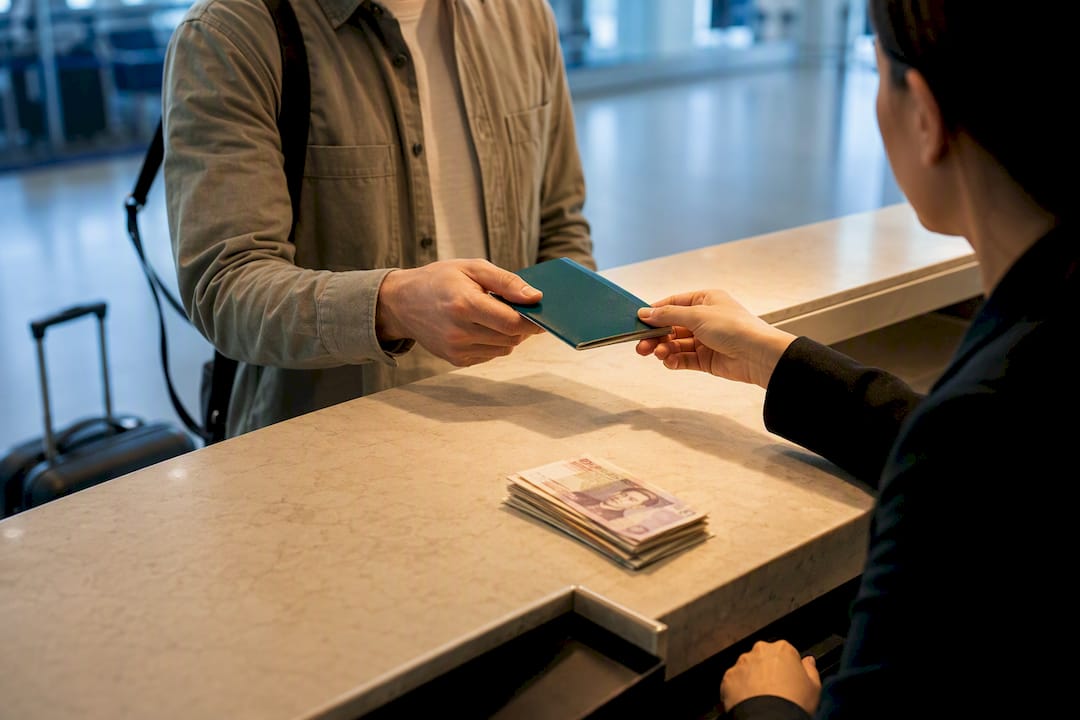
Don't Get Stranded: 5 Ways Travelers Get Cash Abroad With Transfer Apps
Five fast ways to get cash abroad using transfer apps. When to use cash pickup, bank deposit, or ATM withdrawals, and how to verify agent coverage and fees before you travel.
3%-5% Cash Advance Fees Add $30-$50 to U.S. Credit Card Transfers
See why card-funded transfers often count as cash advances, how a 3%-5% fee can add $30-$50 on a $1,000 transfer, and how to check total cost before sending.

Can You Send an International Transfer With Google Pay?
Discover how to send international money transfers using Google Pay effortlessly. Learn about supported partners and requirements.